KitchenAid Ice Maker Repair
We repair KitchenAid's 15-inch undercounter clear-ice makers. The common faults involve the ice slab not releasing or not cutting into cubes, scale on the freezing surface and drainage, and most are worth fixing.
- $149 diagnostic, credited to the repair
- Licensed, trained & insured
- Parts & labor warranty
- OEM parts
- Mon–Sun, 8 AM – 8 PM
Independent service by Appliance Repair Pros. Not affiliated with, authorized by, or endorsed by KitchenAid.
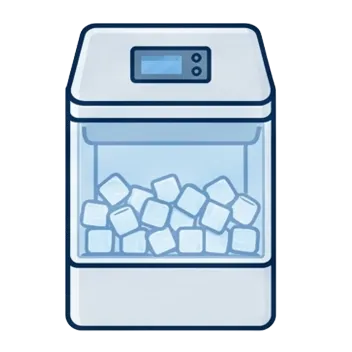
KitchenAid ice maker problems we see
- Ice slab sitting on the grid and not cutting. A sheet of ice rests on top of the wire grid instead of dropping as cubes. On machines that cut ice this way, a failed grid heater or a broken wire or connection in the grid is the usual cause.
- Production slows down over months. The bin takes longer and longer to fill. Scale on the freezing plate, a dusty condenser or a warm installation spot are more likely than a failing compressor.
- Cubes thin, cloudy or uneven. Uneven water flow over the plate produces patchy, cloudy ice. A clogged water distributor, scale or low supply pressure are the common reasons.
- Clean light on or machine stuck in a cleaning cycle. Many units prompt for cleaning after a period of running. If the machine won't leave the cycle or the reminder won't reset after cleaning, the control or a sensor may need testing.
- Water standing in the bin or seeping onto the floor. Meltwater and rinse water must leave through a floor drain or a drain pump. A clog, a kinked line or a failed pump backs water up into the bin.
- Ice maker overfills or never shuts off. Ice spills when the door opens, or the machine keeps running with a full bin. The bin level sensing has failed or is out of position.
KitchenAid’s 15-inch undercounter clear-ice machine is a stand-alone unit built into a kitchen island, bar or pantry. It freezes a single slab and cuts it into cubes, which gives it problems you won’t see in a refrigerator ice maker. Most KitchenAid ice maker repair calls involve a slab that won’t cut, slowing production or drainage trouble, and most are repairable.
For KitchenAid’s refrigerators and built-ins, see our KitchenAid brand page. If you’re comparing notes across brands, see ice maker repair.
From slab to cubes
On many KitchenAid undercounter machines, water is pumped over a chilled plate and freezes in thin layers, which is what keeps it clear. When the slab reaches the right thickness, the machine warms the plate briefly and the whole sheet slides off. It lands on a grid of thin wires that are warmed electrically. The slab slowly melts through the grid, separating into cubes that fall into the bin.
That two-stage process explains a lot of the symptoms:
- A slab that won’t release from the plate points to the harvest cycle and the sensing that controls it.
- A slab that releases but sits on the grid points to the grid heater or its wiring.
- Partial cutting, with some rows of cubes and some uncut strips, usually means one section of the grid has failed.
- Thin or cloudy slabs point to water flow, scale or supply pressure.
Why scale and cleaning matter so much
The clearness of the ice depends on water flowing evenly across a clean plate. As scale builds, the flow becomes uneven, production slows and cubes come out cloudy. KitchenAid builds a cleaning cycle into these machines for that reason, and following it on schedule prevents a lot of service calls.
Water here varies. Much of the city water around Puget Sound is fairly soft, which helps. Homes on private wells, from Gig Harbor to Fox Island and beyond, can have much harder water and may need cleaning more often. If your installation has a water filter, replacing it on time helps too.
How we troubleshoot it
We watch a full cycle if possible, from fill to freeze to harvest, because the stage where it fails tells us where to look. We test the grid for continuity section by section, check the harvest components and the sensors that time each stage, inspect the water pump and distributor, and look at the condenser and its fan behind the toe-kick grille. We also check the drain, including the drain pump if your unit has one.
If the indicator lights or display show anything unusual, note it before you call. If the plate isn’t getting cold at all, the sealed system may be involved, and that repair is reserved for our EPA Section 608-certified technicians.
Owner checks that are safe to do
- Turn the machine off before reaching in. The grid wires are electrically heated.
- Run the cleaning cycle your manual describes if production has slowed or ice is cloudy.
- Vacuum the front grille at the toe kick so the condenser can breathe.
- Look at the bin. Standing water means a drain problem. An empty, dry bin points to the water supply or the freezing stage.
- Confirm the supply valve is open and any filter is current.
For more on ice quality, see our small or cloudy ice guide.
Is a KitchenAid ice maker worth repairing?
Most of the time. Cutter grids, sensors, water pumps, inlet valves and drain pumps are all reasonable repairs compared to replacing a built-in machine and its installation. A failed compressor on an older unit is the exception worth weighing, and we’ll give you both options in writing.
How a repair visit works
Call or send a request
We reply within one business hour. We ask what the appliance is doing, the brand and, if handy, the model number from the label inside the door.
Diagnosis in your home
A technician tests the system and finds the actual fault. The visit is $149.
Written quote first
You get the price before any work starts. Go ahead and the $149 is credited toward the repair.
Repair with OEM parts
Common parts are often on the truck. If one has to be ordered, we book the return visit when it arrives. Parts and labor are covered by our warranty.
Frequently asked questions
Why is a sheet of ice sitting on top of my KitchenAid ice maker's grid?
On machines that make ice as a slab, the slab drops onto a grid of heated wires that melt through it to form cubes. If the grid isn't heating, or one section has a broken wire or connection, the slab just sits there. Don't push it through or chip at it. Turn the machine off, let it melt, and call us so we can test the grid and its connections.
What cleaner should I use in my KitchenAid ice maker?
Use only the cleaner your manual specifies for the ice machine. The freezing plate on many of these units has a finish that harsh descalers can damage, and household vinegar or bleach can leave tastes or harm parts. Follow the cleaning cycle step by step, rinse fully and discard the first batches of ice afterward. Clean on the manual's schedule, and sooner if the ice turns cloudy.
Does Seattle's soft water mean I can skip cleaning?
No. Much of the area's city water is relatively soft, so scale may build more slowly than it would in hard-water regions, but it still builds. A private well can be a different story, with far more minerals than city water. Slime and film also build regardless of hardness. Clean on schedule and watch for slower production or cloudier ice.
More on KitchenAid and ice makers
Book KitchenAid ice maker repair
Tell us what's going on and we'll call or text you within one business hour (Mon–Sun, 8 AM–8 PM) to set up a time. In a hurry? Call (206) 350-0055 or send a text.
Warm fridge? Let’s get it looked at.
We answer the phone Mon–Sun, 8 AM – 8 PM. Same-day visits are often possible when you call early.